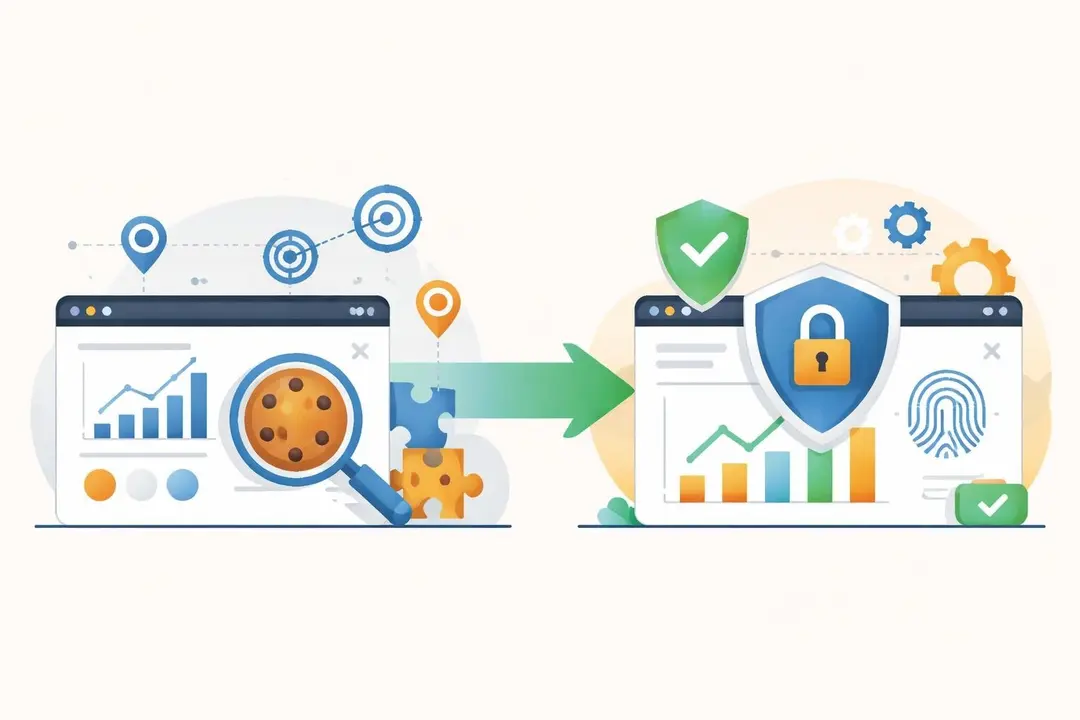
The search for “google analytics 5” reveals a common misconception in the web analytics industry. Whilst many European businesses are searching for information about this supposed next generation platform, the reality is that Google Analytics 4 (GA4) remains the current iteration of Google’s analytics service. The speculation around google analytics 5 stems from confusion about GA4’s continuous evolution, recent updates, and the natural expectation that technology platforms will eventually release new major versions. Understanding this distinction matters for European businesses making strategic decisions about their analytics infrastructure in 2026.
Understanding the Google Analytics Version Confusion
The term “google analytics 5” frequently appears in search queries, yet no official announcement from Google confirms such a product exists. This confusion arises from several factors that European businesses should understand when evaluating their analytics needs.
Why People Search for Google Analytics 5
Many website owners and marketing managers assume that GA4, launched in October 2020, must be nearing replacement. The technology sector’s rapid pace creates expectations of frequent major version releases. However, modern analytics platforms operate differently from traditional software versioning.
Key reasons for the confusion include:
- Continuous platform updates that feel like major releases
- Marketing terminology around “next generation” features
- The significant shift from Universal Analytics to GA4
- Speculation about future privacy-focused analytics tools
GA4 itself represents such a fundamental departure from Universal Analytics that users continue searching for detailed guides to understanding Google Analytics and its evolution. The platform introduced event-based tracking, machine learning insights, and cross-platform measurement that felt revolutionary enough to warrant speculation about what might come next.

The Current State of GA4 in 2026
Rather than developing google analytics 5, Google has focused on enhancing GA4 with regular feature updates and refinements. The platform continues to evolve through incremental improvements rather than revolutionary version jumps.
European businesses working with GA4 in 2026 encounter a mature platform that has addressed many initial concerns. The learning curve has flattened, documentation has improved, and integration capabilities have expanded. However, common implementation mistakes persist, particularly around data configuration and privacy settings.
GA4 Feature Category | 2020 Launch State | 2026 Current State |
|---|---|---|
Event tracking | Basic implementation | Advanced automation |
Machine learning | Limited insights | Predictive analytics |
Privacy controls | Standard options | Enhanced configuration |
Reporting interface | Simplified dashboards | Customisable reports |
The platform’s maturity means that speculation about google analytics 5 often reflects desire for features that GA4 already offers or could potentially offer through updates. European businesses should focus on maximising GA4’s current capabilities rather than waiting for a hypothetical next version.
What Would Google Analytics 5 Need to Address?
If google analytics 5 were to materialise, it would need to address specific challenges that European businesses face with current analytics platforms. Understanding these requirements helps clarify what truly matters in web analytics selection.
Privacy and Data Sovereignty Requirements
European businesses operate under strict data protection frameworks that extend beyond basic compliance. A theoretical google analytics 5 would need to fundamentally reimagine data collection, storage, and processing to align with European digital sovereignty principles.
Critical privacy considerations include:
- Data localisation – Guaranteed storage within European data centres without cross-border transfers
- Cookieless tracking – Complete elimination of third-party cookies and reduced reliance on first-party cookies
- Minimal data collection – Default configurations that collect only essential information
- Transparent processing – Clear documentation of data handling procedures
- User control mechanisms – Simple opt-out processes and data deletion tools
Traditional analytics platforms have struggled to balance functionality with privacy requirements. European marketing managers increasingly seek solutions that provide detailed insights without compromising visitor privacy or requiring intrusive consent banners. For businesses concerned about their current tracking methods, tools like the cookie scanner can reveal exactly what data collection occurs on their websites.
Simplified Implementation and Usability
GA4’s complexity remains a significant barrier for small and medium European businesses. Many marketing teams report spending excessive time configuring events, building reports, and interpreting data that should be straightforward.
A genuine successor to GA4 would prioritise simplicity without sacrificing depth. This means intuitive dashboards, automated insights, and clear documentation that doesn’t require certification courses to understand. The gap between enterprise analytics needs and SMB requirements continues to widen, suggesting potential market space for alternatives.
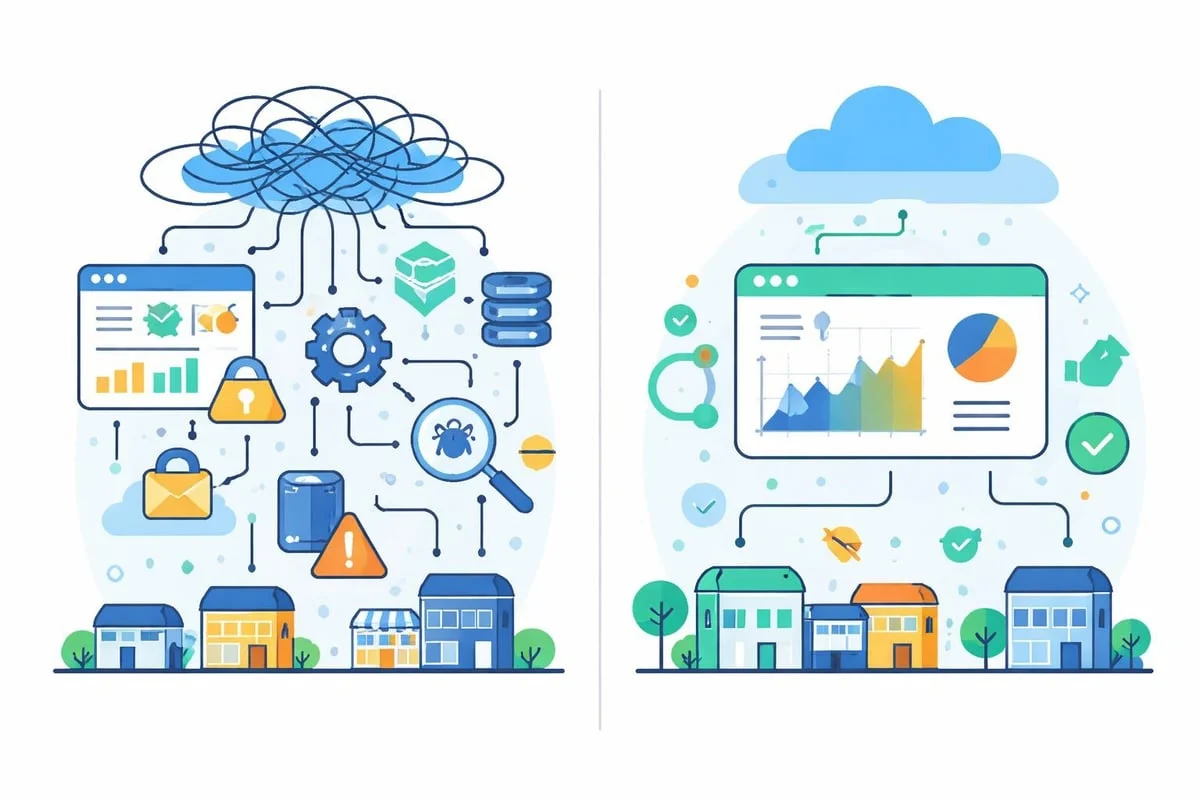
The Real Alternative to Waiting for Google Analytics 5
Rather than speculating about google analytics 5, European businesses should evaluate whether their current analytics solution actually serves their needs. The analytics market in 2026 offers diverse options beyond traditional platforms.
Evaluating Your Analytics Requirements
Before investing time in mastering any analytics platform, marketing managers should assess what data truly drives business decisions. Many organisations collect vast amounts of information they never analyse whilst missing critical insights they actually need.
Essential questions to consider:
- Which metrics directly influence business strategy and decisions?
- How much time does your team spend configuring versus analysing data?
- What privacy commitments have you made to customers and visitors?
- Do you need cross-platform tracking or primarily web analytics?
- How important is data sovereignty and European hosting to your organisation?
The Google blog offers strategies for improving media performance using analytics data, but these approaches require platforms configured correctly from the start. European businesses must ensure their chosen solution aligns with both technical requirements and organisational values.
Modern Cookieless Analytics Platforms
The future of web analytics isn’t necessarily google analytics 5 but rather a fundamental shift towards privacy-respecting measurement. European businesses are increasingly adopting platforms that eliminate cookies entirely whilst maintaining accurate visitor insights.
Cookieless tracking technologies use alternative methodologies that respect user privacy without requiring consent banners. These approaches track sessions rather than individuals, provide aggregate insights rather than personal profiles, and operate transparently within European legal frameworks. For businesses concerned with compliance, exploring detailed documentation about cookieless approaches provides valuable context.
European businesses concerned about website performance alongside analytics can utilise the speed test tool to ensure tracking scripts don’t compromise user experience. Analytics platforms should enhance understanding without degrading site performance or visitor satisfaction.
Analytics Approach | Data Collection Method | Privacy Impact | Implementation Complexity |
|---|---|---|---|
Traditional cookie-based | Individual tracking | High privacy concern | Moderate to high |
Hybrid cookie/cookieless | Mixed methodology | Medium privacy concern | High |
Pure cookieless | Session-based tracking | Minimal privacy concern | Low to moderate |
Server-side tracking | Backend processing | Low privacy concern | High |
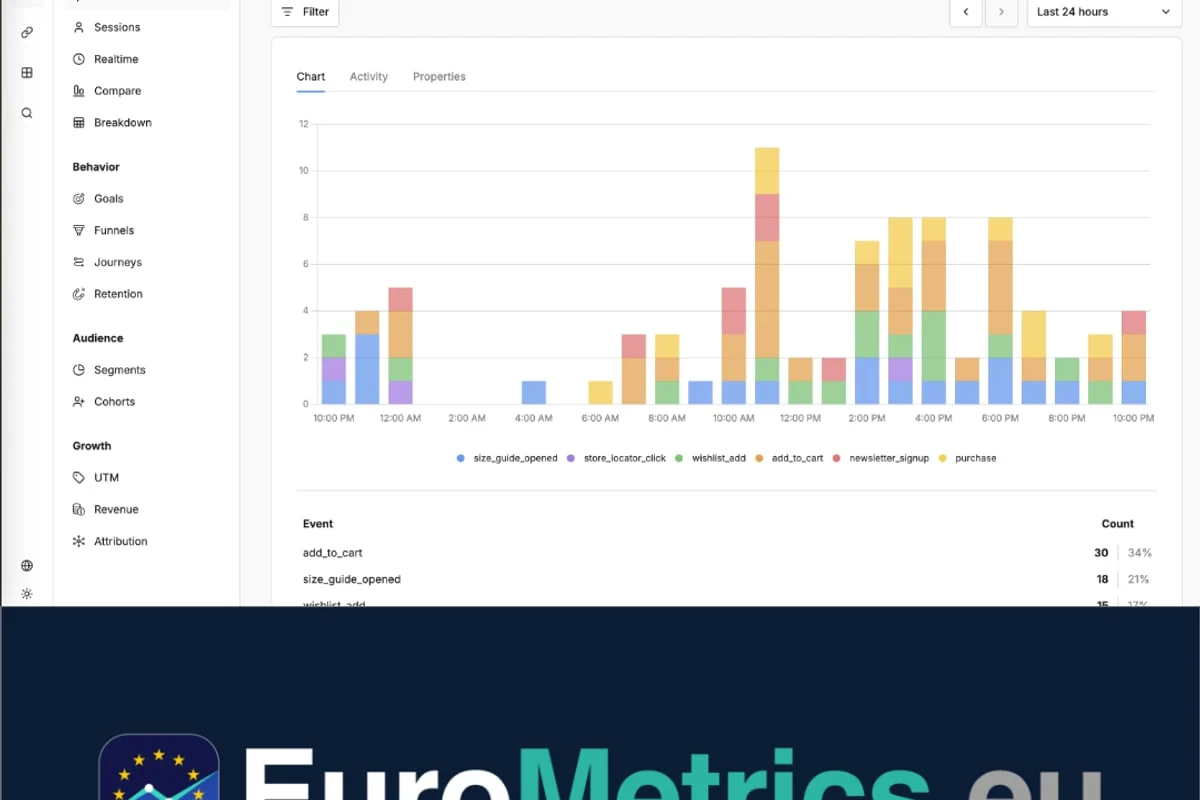
Platforms like EuroMetrics demonstrate that European businesses don’t need to wait for google analytics 5 to access sophisticated, privacy-focused analytics. Built specifically for European requirements, such solutions offer 100% EU hosting, no US subprocessors, and cookieless tracking that eliminates consent banner requirements entirely.

Practical Steps for European Businesses in 2026
Whilst google analytics 5 remains speculative, European businesses need actionable analytics strategies today. The following steps help organisations move beyond waiting for hypothetical platforms towards implementing effective measurement.
Auditing Your Current Analytics Setup
Begin by thoroughly examining your existing analytics configuration. Many businesses discover they’re collecting unnecessary data, missing important events, or misconfiguring privacy settings that could expose them to regulatory scrutiny.
Full audit steps:
- Document all tracking implementations – Review every analytics script, tag, and pixel across your digital properties
- Identify data collection purposes – Match each metric to specific business decisions or reporting requirements
- Assess privacy configurations – Verify data retention periods, anonymisation settings, and consent mechanisms
- Evaluate reporting usage – Determine which reports stakeholders actually review versus those generating unused data
- Calculate total cost of ownership – Include subscription fees, implementation time, training costs, and opportunity costs
The O’Reilly guide to Google Analytics accounts and profiles provides foundational knowledge for businesses still working with traditional platforms, though European organisations must supplement this with privacy-specific considerations.
Implementing Privacy-First Analytics
Transitioning to privacy-respecting analytics doesn’t require sacrificing insights. Modern approaches provide the metrics European businesses need whilst honouring visitor privacy and regulatory requirements.
Key implementation principles:
- Minimise data collection – Track only metrics that inform actual decisions
- Default to aggregation – Present insights at group level rather than individual behaviour
- Eliminate unnecessary cookies – Choose platforms that function without cookie-based tracking
- Localise data storage – Ensure all analytics data remains within European jurisdiction
- Document data flows – Maintain clear records for regulatory compliance and transparency
European businesses can validate their privacy posture using tools that scan for tracking technologies and hidden data collection. Understanding what information your website collects forms the foundation of responsible analytics.
Building Internal Analytics Competency
Regardless of whether google analytics 5 eventually launches, organisations benefit from developing internal expertise around data analysis and interpretation. Platform-specific skills matter less than fundamental analytical thinking.
Marketing teams should focus on:
- Understanding statistical significance and sampling
- Identifying correlation versus causation in data patterns
- Creating actionable insights from raw metrics
- Communicating findings to non-technical stakeholders
- Questioning data quality and methodology
Investing in analytical skills provides returns across any platform your organisation ultimately chooses. The developer documentation for predefined reports demonstrates the technical depth available in modern analytics, though European businesses must balance sophistication with practical usability.
Future-Proofing Your Analytics Strategy
Rather than betting on google analytics 5 or any specific platform, European businesses should develop flexible analytics strategies that adapt to evolving privacy requirements and technological capabilities.
Platform-Agnostic Measurement Frameworks
Organisations that tie their entire measurement approach to a single platform risk disruption when that platform changes or becomes unsuitable. Building platform-agnostic frameworks ensures continuity regardless of tool selection.
Framework components include:
- Standardised event taxonomy – Consistent naming conventions that transfer across platforms
- Documented measurement plans – Clear specifications of what to track and why
- Flexible implementation architecture – Tag management systems that simplify platform switches
- Cross-platform validation – Methods to verify data accuracy independent of specific tools
- Vendor-neutral reporting – Dashboards and insights that don’t rely on proprietary features
This approach allows European businesses to evaluate new analytics solutions, including any future google analytics 5, without overhauling their entire measurement strategy. The learning resources provide context for building sustainable analytics approaches.
Regulatory Compliance as Competitive Advantage
European businesses that view privacy compliance as burden rather than opportunity miss strategic positioning potential. Organisations that transparently respect visitor privacy build trust that translates to competitive advantage.
Compliance Approach | Visitor Perception | Business Impact |
|---|---|---|
Minimal compliance | Legal requirement | Neutral to negative |
Transparent privacy | Customer respect | Positive differentiation |
Privacy leadership | Brand value | Strong competitive advantage |
Websites that eliminate consent banners through cookieless analytics create superior user experiences whilst demonstrating privacy commitment. This positioning becomes increasingly valuable as European consumers grow more privacy-conscious and regulation-aware.
Businesses can verify their privacy implementation by regularly scanning their websites and monitoring what tracking technologies operate across their digital properties. Proactive privacy management prevents regulatory issues whilst building customer trust.
Preparing for Continued Evolution
Whether Google eventually releases google analytics 5 or continues enhancing GA4, European businesses should expect ongoing evolution in web analytics. Preparing for this change requires flexible thinking and willingness to adapt.
Strategic preparation includes:
- Monitoring analytics industry developments and emerging privacy technologies
- Maintaining relationships with multiple analytics vendors to understand options
- Regularly reviewing whether current platforms still serve organisational needs
- Investing in data infrastructure that supports various analytics tools
- Participating in European digital sovereignty discussions and initiatives
The speculation around google analytics 5 highlights how businesses often look externally for solutions to challenges they can address through better utilisation of existing tools or exploration of alternative approaches. European marketing managers should focus less on hypothetical future platforms and more on maximising value from current capabilities whilst ensuring alignment with privacy principles.
Frequently Asked Questions
Is Google Analytics 5 officially announced or available?
No, google analytics 5 has not been officially announced by Google. GA4 remains the current version of Google Analytics as of 2026. The platform continues receiving regular updates and new features rather than preparing for a complete version replacement. Businesses searching for google analytics 5 are likely seeking information about GA4’s latest capabilities or looking for next-generation analytics solutions.
What features would Google Analytics 5 need for European businesses?
If google analytics 5 were developed, European businesses would require guaranteed EU data storage, elimination of cross-border data transfers, cookieless tracking as default, simplified implementation for SMBs, transparent data processing documentation, and stronger privacy controls. However, these features already exist in alternative analytics platforms designed specifically for European requirements.
Should European businesses wait for Google Analytics 5 before changing platforms?
No, European businesses should not delay analytics decisions based on speculation about google analytics 5. Current alternatives already address privacy requirements, data sovereignty concerns, and usability challenges that European organisations face. Waiting for unconfirmed future releases means missing opportunities to improve analytics whilst maintaining privacy standards that matter to European customers.
How can businesses prepare for future analytics platform changes?
European businesses should build platform-agnostic measurement frameworks with standardised event taxonomies, documented measurement plans, and flexible implementation architectures. This approach allows organisations to evaluate new platforms, including any potential google analytics 5, without completely rebuilding their analytics infrastructure. Focus on developing analytical skills and privacy-first practices rather than platform-specific expertise.
What alternatives exist to traditional analytics platforms for European businesses?
European businesses have access to privacy-focused analytics platforms that offer cookieless tracking, 100% EU hosting, and simplified implementations designed for GDPR principles. These solutions provide detailed visitor insights without consent banners, third-party cookies, or data transfers outside European jurisdiction. Many alternatives offer superior usability compared to enterprise platforms whilst maintaining solid measurement capabilities.
How does cookieless analytics compare to traditional cookie-based tracking?
Cookieless analytics provides session-based tracking that respects visitor privacy without requiring consent banners or cookie storage. Whilst traditional cookie-based tracking identifies individuals across sessions, cookieless approaches track behaviour patterns and aggregate insights that inform business decisions without personal identification. European businesses find cookieless analytics sufficient for their needs whilst eliminating privacy concerns and regulatory complexity associated with cookies.
The ongoing speculation about google analytics 5 reflects broader questions European businesses face about analytics platforms, privacy requirements, and data sovereignty. Rather than waiting for hypothetical future releases, organisations can implement privacy-respecting analytics solutions today that align with European values and regulatory frameworks. EuroMetrics offers European businesses a straightforward alternative with 100% EU hosting, cookieless tracking, and real-time dashboards designed specifically for privacy-conscious organisations seeking complete data tracking without complexity or compromise.