
Understanding traffic users represents a fundamental challenge for European businesses operating online in 2026. Every website interaction, page view, and visitor session generates valuable data that reveals how people engage with digital content. Yet many organisations struggle to interpret this information effectively whilst maintaining strict privacy standards. The concept of traffic users extends beyond simple visitor counts to encompass behavioural patterns, engagement metrics, and conversion pathways that determine digital success.
Defining Traffic Users in Web Analytics
Traffic users represent individuals who visit and interact with websites, applications, or digital platforms. The fundamental definition of web traffic encompasses all data requests made to a server, but traffic users specifically refer to the human beings behind those requests. This distinction matters significantly for analytics purposes.
The Evolution of User Tracking
Traditional analytics platforms tracked traffic users through persistent cookies and cross-site identifiers. These methods created detailed profiles but raised substantial privacy concerns across Europe. Modern approaches focus on session-based tracking that respects user privacy whilst delivering actionable insights.
Key characteristics of traffic users include:
- Session duration and page depth
- Entry points and exit pages
- Geographic location and language preferences
- Device types and browser information
- Referral sources and campaign attribution
The shift towards cookieless tracking has transformed how businesses understand their traffic users. Rather than building persistent profiles, privacy-first analytics platforms analyse behaviour within individual sessions, providing aggregate insights without compromising personal data.
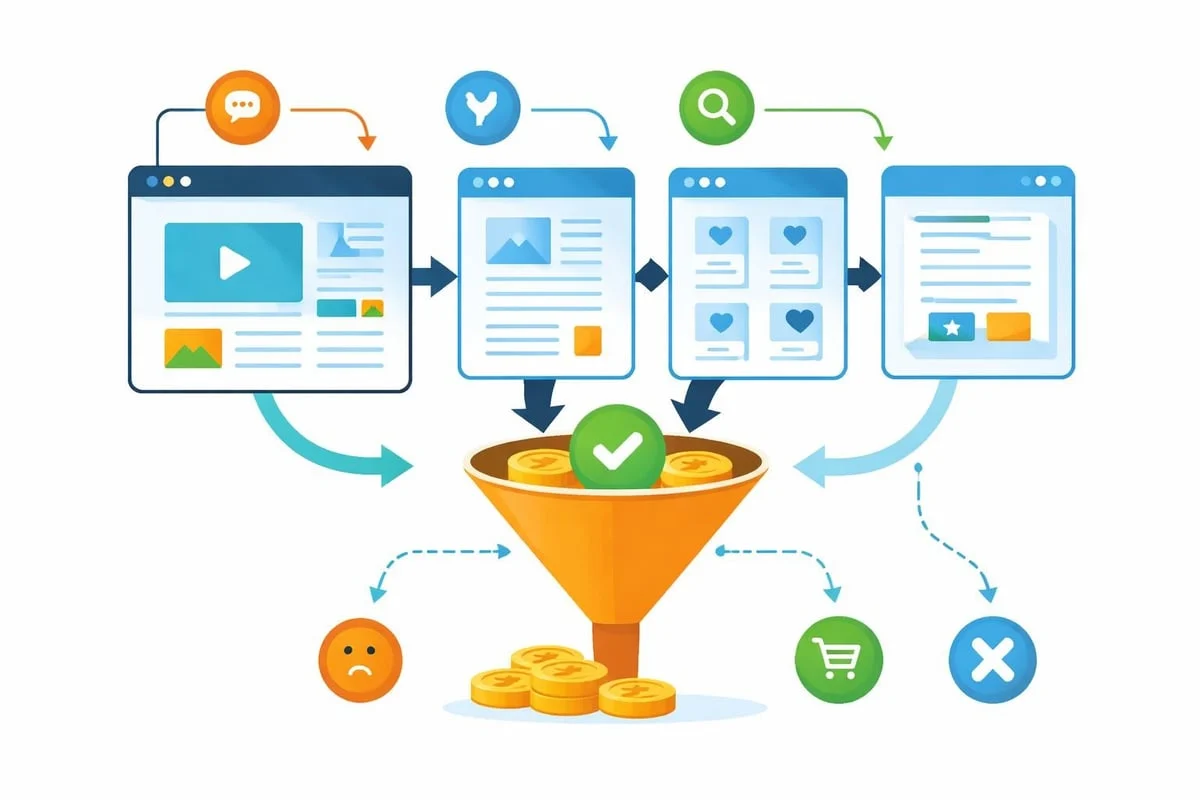
Categories of Traffic Users
Organic Search Visitors
Traffic users arriving through search engines represent some of the most valuable visitors. These individuals actively sought information related to your content, indicating high intent and relevance. Organic traffic users typically demonstrate longer session durations and higher engagement rates compared to other sources.
Understanding which keywords drive organic traffic users enables content optimisation and strategic planning. However, privacy regulations have limited keyword data availability, making aggregate analysis more important than individual tracking.
Direct Traffic Users
Direct traffic users access websites by typing URLs directly or using bookmarks. This category often includes returning visitors familiar with your brand, though it also captures traffic users from untrackable sources like email clients and messaging applications.
Traffic Source | Typical Intent | Average Session Duration | Conversion Potential |
|---|---|---|---|
Organic Search | High | 3-5 minutes | Moderate to High |
Direct | Variable | 2-4 minutes | High for returning users |
Social Media | Low to Moderate | 1-2 minutes | Low to Moderate |
Referral | Moderate | 2-3 minutes | Moderate |
Paid Advertising | High | 1-3 minutes | Moderate to High |
Social Media Traffic Users
Social media traffic comprises visitors arriving from platforms like LinkedIn, Twitter, and Facebook. These traffic users often exhibit browsing behaviour, consuming content without immediate conversion intent. Understanding this pattern helps set realistic expectations for social campaigns.
European businesses must recognise that social media platforms increasingly restrict tracking capabilities. Traffic users from these sources may appear in analytics without detailed attribution information.
Referral Traffic Users
Referral traffic users arrive through links on other websites, blogs, or online publications. These visitors represent endorsements from external sources and often carry higher trust levels. Monitoring referral patterns helps identify valuable partnerships and content distribution opportunities.
Analysing Traffic User Behaviour
Session Depth and Engagement
Traffic users demonstrate engagement through multiple metrics beyond simple page views. Session depth measures how many pages visitors explore during a single visit, whilst time-on-page indicates content relevance and quality.
Meaningful engagement indicators include:
- Pages per session above website average
- Session duration exceeding two minutes
- Scroll depth beyond 50% on key pages
- Interaction with embedded content or tools
- Return visits within seven days
Traffic users exhibiting these behaviours signal content resonance and potential conversion opportunities. European businesses can use this information without invasive tracking by analysing aggregate patterns rather than individual profiles.
Bounce Rate and Exit Patterns
Single-page sessions, commonly measured as bounce rate, reveal when traffic users find content irrelevant or encounter usability issues. However, context matters significantly. A blog reader who finds complete information on one page represents successful engagement despite technically "bouncing."
Exit page analysis identifies where traffic users commonly leave your website. High exit rates on checkout pages suggest conversion barriers, whilst exits from thank-you pages indicate successful transactions.

Privacy-Conscious Traffic User Analysis
Cookieless Tracking Methods
Modern analytics platforms track traffic users without persistent cookies by using session-based identifiers and server-side processing. These approaches maintain visitor privacy whilst delivering essential insights about website performance and user behaviour.
For European businesses prioritising data sovereignty, cookieless analytics eliminate the need for intrusive consent banners that disrupt user experience. Traffic users can browse naturally without constant privacy interruptions, improving engagement rates and data quality.
GDPR Considerations for Traffic User Data
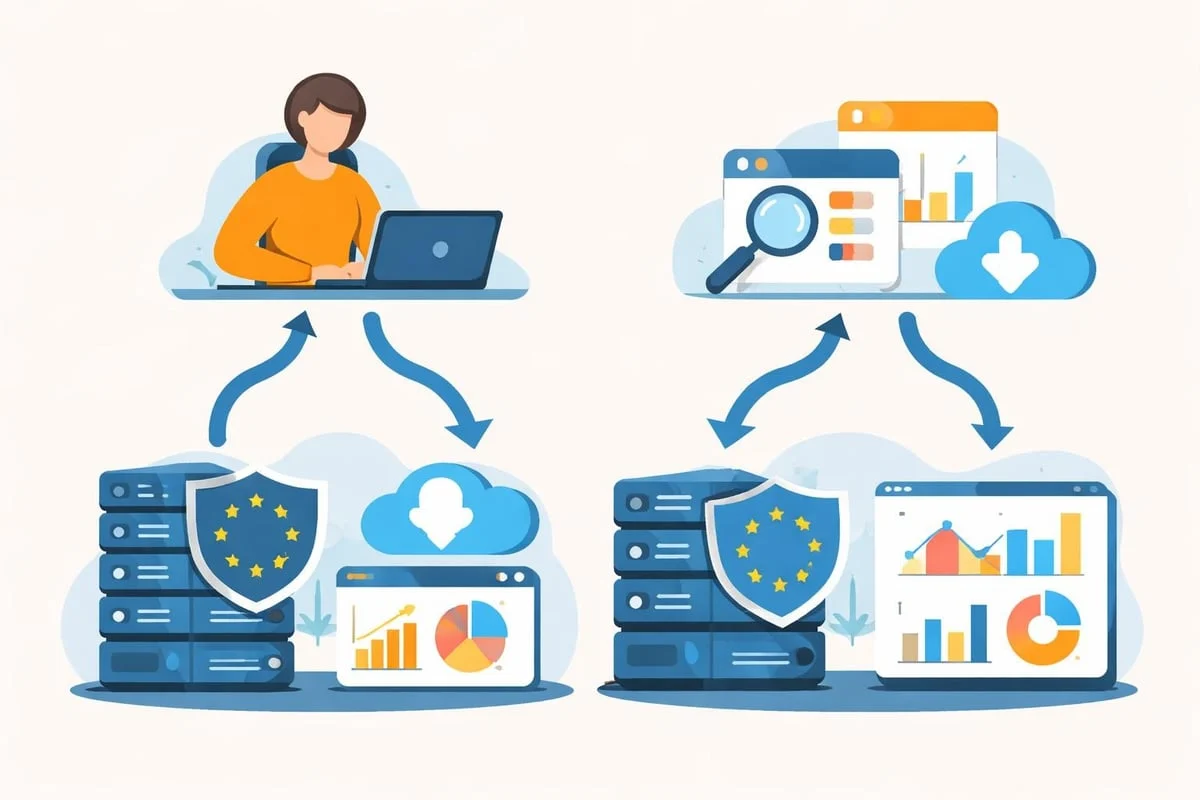
Analysing traffic users whilst respecting European privacy regulations requires careful consideration of data collection and processing methods. Platforms designed with GDPR principles in mind implement privacy by design, collecting only essential information and processing it within EU jurisdiction.
Privacy-first traffic user analytics involves:
- Collecting aggregate data rather than individual profiles
- Processing information exclusively on European servers
- Avoiding cross-site tracking and persistent identifiers
- Providing transparent data handling documentation
- Enabling easy data deletion upon request
Understanding your traffic users shouldn't require compromising their privacy. European businesses can access detailed analytics through platforms like EuroMetrics, which provides complete traffic user insights with 100% EU hosting and cookieless tracking technology.

Segmenting Traffic Users for Better Insights
Geographic and Language Segmentation
Traffic users from different regions exhibit distinct behaviour patterns and preferences. Analysing geographic distribution helps identify growth opportunities and content localisation needs. A French business attracting significant traffic users from Germany might consider German-language content to improve engagement.
Language preferences provide additional segmentation value beyond geography. Traffic users accessing content in specific languages demonstrate higher engagement when content matches their linguistic preferences. Understanding these patterns enables strategic content development aligned with audience needs.
Device and Browser Segmentation
Mobile traffic users now comprise over 60% of web visits for many European businesses. These visitors demonstrate different behaviour patterns compared to desktop users, typically consuming shorter content and exhibiting lower conversion rates for complex transactions.
Device Type | Average Session Duration | Typical Use Cases | Optimisation Priorities |
|---|---|---|---|
Desktop | 4-6 minutes | Research, transactions, detailed content | Full information, multiple CTAs |
Mobile | 1-3 minutes | Quick lookups, browsing | Simplified navigation, fast loading |
Tablet | 3-5 minutes | Extended browsing, media consumption | Balanced experience, visual content |
Browser segmentation reveals technical compatibility issues and user sophistication levels. Traffic users on outdated browsers may experience functionality problems that analytics can identify through error tracking and behaviour anomalies.
New vs Returning Traffic Users
The distinction between active users and new visitors provides critical insights into website health and marketing effectiveness. New traffic users indicate successful acquisition efforts, whilst returning visitors demonstrate content value and brand loyalty.
Balanced traffic user composition typically shows:
- 40-60% new visitors indicating healthy growth
- 40-60% returning visitors demonstrating engagement
- Increasing return visit frequency over time
- Longer sessions for returning traffic users
- Higher conversion rates among repeat visitors
Measuring Traffic User Quality
Conversion Metrics
Traffic user quality transcends volume metrics to focus on business outcomes. Conversion rate measures the percentage of visitors completing desired actions, whether purchases, registrations, or content downloads. High-quality traffic users convert at higher rates regardless of total volume.
Attribution becomes complex when analysing traffic user conversion paths. Many visitors interact with multiple touchpoints before converting, making single-source attribution misleading. Multi-touch attribution models credit various traffic sources proportionally, providing more accurate insights into channel effectiveness.
Engagement Score Development
Creating composite engagement scores helps evaluate traffic user quality holistically. These scores combine multiple metrics into single values that facilitate comparison across segments and time periods.
Engagement score components might include:
- Session duration (weighted 25%)
- Pages per session (weighted 20%)
- Scroll depth (weighted 15%)
- Content interaction (weighted 20%)
- Return visit frequency (weighted 20%)
Traffic users with high engagement scores represent valuable audiences worth targeting through content development and marketing investment. Low scores identify optimization opportunities or misaligned traffic sources requiring strategic adjustment.
Technical Infrastructure for Traffic User Analysis
Server-Side vs Client-Side Tracking
Traditional analytics relies heavily on client-side JavaScript to track traffic users, creating dependencies on browser capabilities and user settings. Server-side tracking processes visitor data before reaching the browser, improving accuracy and reducing privacy concerns.
European businesses implementing cookieless analytics benefit from server-side architectures that process traffic user data within EU data centres. This approach ensures traffic patterns remain within European jurisdiction throughout collection and analysis.
Real-Time vs Historical Analysis
Real-time traffic user monitoring enables immediate response to emerging patterns, technical issues, or campaign performance. Businesses can identify traffic spikes, detect problems, and capitalize on opportunities as they develop rather than discovering them through delayed reporting.
Historical analysis provides context and trend identification impossible through real-time observation alone. Comparing current traffic user behaviour against previous periods reveals growth patterns, seasonal variations, and long-term engagement trends that inform strategic planning.
Optimising for High-Value Traffic Users
Content Strategy Alignment
Understanding traffic user preferences and behaviour patterns should directly inform content creation strategies. Pages attracting engaged traffic users deserve expansion and internal linking to build on their success. Conversely, content failing to resonate requires revision or retirement.
Content optimisation based on traffic user analysis includes:
- Expanding topics that generate long sessions and low bounce rates
- Creating similar content around high-performing themes
- Improving or removing pages with consistently poor engagement
- Developing content for underserved traffic user segments
- Aligning publication schedule with peak traffic user activity periods
Traffic user feedback through behaviour patterns provides more reliable guidance than assumptions about audience preferences. European businesses can refine their SEO strategies by analysing which content types attract and engage their target audiences most effectively.
Technical Performance Optimisation
Page load speed dramatically impacts traffic user behaviour and satisfaction. Research consistently demonstrates that delays beyond three seconds increase bounce rates significantly, particularly among mobile traffic users with limited patience for slow experiences.
Monitoring traffic user experience through performance testing identifies technical bottlenecks that degrade engagement and conversion rates. European businesses must ensure their websites load quickly across the continent, not just from their primary hosting location.
User Experience Refinement
Traffic user behaviour reveals usability issues that subjective evaluation might miss. High exit rates on specific pages suggest confusion or frustration, whilst low click-through rates on calls-to-action indicate poor visibility or compelling copy problems.
Navigation patterns show how traffic users explore websites and whether information architecture aligns with visitor expectations. Heatmap analysis and session recordings complement traditional analytics by visualizing exactly how traffic users interact with page elements.
Common Traffic User Analysis Mistakes
Vanity Metrics Focus
Many businesses obsess over total traffic user volume whilst ignoring quality and engagement metrics. Attracting 100,000 visitors who immediately bounce provides less value than 10,000 engaged traffic users who explore content and convert.
Prioritise meaningful metrics over vanity numbers:
- Conversion rate trumps raw traffic volume
- Engagement depth matters more than page views
- Return visitor percentage indicates content value
- Revenue per visitor outweighs total visitor counts
- Qualified lead generation exceeds email list size
Traffic user analysis should connect directly to business objectives rather than celebrating numbers without context. European businesses must resist the temptation to chase volume at the expense of quality and relevance.
Ignoring Traffic User Context
Analysing traffic users without considering broader context leads to misguided conclusions. Seasonal variations, market conditions, and competition all influence visitor behaviour beyond your direct control.
A traffic user decline during August might simply reflect European holiday patterns rather than website problems. Similarly, increased bounce rates could result from improved search result snippets that answer user questions directly, reducing the need to visit websites.
Over-Segmentation and Analysis Paralysis
Whilst segmentation provides valuable insights, excessive granularity creates overwhelming data volumes that obscure actionable patterns. Traffic users can be divided infinitely by countless variables, but meaningful analysis requires focusing on segments large enough to drive strategic decisions.
Start with broad traffic user categories before drilling into specific subsegments. Identify major patterns first, then investigate anomalies and opportunities within high-impact groups rather than analysing every possible combination.
Future Trends in Traffic User Analytics
Privacy-First Evolution
European privacy regulations continue strengthening, requiring analytics platforms to evolve beyond traditional tracking methods. Traffic user analysis increasingly relies on aggregate patterns, statistical modelling, and privacy-preserving technologies rather than individual-level surveillance.
Businesses prioritising data sovereignty and privacy compliance gain competitive advantages as consumers become more aware of tracking practices. Traffic users increasingly favour websites that respect their privacy through transparent data handling and minimal invasive tracking.
AI-Powered Insights
Artificial intelligence and machine learning enable sophisticated traffic user analysis without manual segmentation and report creation. These technologies identify patterns, anomalies, and opportunities automatically, surfacing insights that human analysts might miss within vast datasets.
Predictive analytics forecast future traffic user behaviour based on historical patterns, enabling proactive optimisation rather than reactive adjustments. European businesses can anticipate seasonal trends, identify emerging opportunities, and allocate resources more effectively through AI-enhanced analytics.
Cross-Platform Integration
Traffic users interact with businesses across multiple platforms and devices, creating fragmented analytics that miss the full customer journey. Future analytics platforms will better integrate data from websites, applications, email campaigns, and offline touchpoints whilst maintaining privacy compliance.
Unified traffic user views require sophisticated identity resolution that respects privacy boundaries. European solutions must achieve integration without persistent cross-platform tracking, relying on probabilistic matching and privacy-safe methodologies.
FAQ
What constitutes a high-quality traffic user?
High-quality traffic users demonstrate strong engagement through extended session durations, multiple page views, and completion of desired actions like conversions or registrations. They arrive with intent aligned to your content, often through organic search or qualified referrals. Quality traffic users typically exhibit lower bounce rates, higher return visit frequency, and greater lifetime value compared to low-engagement visitors. Geographic and demographic alignment with target markets also indicates quality, as does traffic from channels requiring active discovery rather than passive browsing.
How can European businesses track traffic users without cookies?
Cookieless tracking uses session-based identifiers, server-side processing, and privacy-preserving technologies that analyse visitor behaviour without persistent cross-site tracking. These methods collect aggregate data showing overall patterns whilst protecting individual privacy. Server-side analytics process information within EU data centres, maintaining data sovereignty and regulatory compliance. Fingerprinting alternatives use non-invasive signals like referral sources, timestamps, and behaviour patterns to understand traffic user journeys without creating persistent profiles. This approach eliminates consent banner requirements whilst delivering detailed insights.
What traffic user metrics matter most for business decisions?
Conversion rate, engagement depth, and return visitor percentage provide the most actionable insights for business strategy. Revenue per visitor and customer acquisition cost directly connect analytics to financial outcomes. Session duration and pages per session indicate content relevance and user satisfaction. Traffic source quality helps allocate marketing resources effectively, whilst device and geographic segmentation inform technical and content priorities. Focus on metrics directly tied to business objectives rather than vanity statistics like raw page view counts that lack strategic context.
How do traffic users from different sources compare in value?
Organic search traffic users typically demonstrate highest intent and conversion potential, having actively sought relevant information. Direct traffic users often include returning visitors with established brand relationships, showing strong loyalty and conversion rates. Referral traffic quality varies significantly based on source relevance and audience alignment. Social media traffic users generally exhibit browsing behaviour with lower immediate conversion rates but valuable brand awareness benefits. Paid advertising traffic users can deliver strong results when campaigns target qualified audiences, though cost-per-acquisition requires careful monitoring for profitability.
What constitutes normal traffic user behaviour patterns?
Normal traffic user behaviour varies by industry, business model, and target audience, making universal benchmarks misleading. Typical patterns include 40-60% bounce rates for content sites, 2-4 minute average session durations, and 2-3 pages per session. Mobile traffic users generally show shorter sessions and higher bounce rates compared to desktop visitors. Seasonal variations affect traffic user patterns significantly, with many European businesses experiencing reduced activity during summer holidays. Establish baseline metrics for your specific situation, then monitor deviations that might indicate problems or opportunities requiring attention.
How can businesses improve traffic user engagement?
Improve traffic user engagement through faster page loading, clearer navigation, and content aligned with visitor intent. Analyse which pages and topics generate longest sessions and lowest bounce rates, then create more similar content. Ensure mobile optimisation given the majority of traffic users now access websites through smartphones. Internal linking guides traffic users to related content, increasing session depth. Clear calls-to-action direct visitors toward desired outcomes. Regular content updates encourage return visits. Technical monitoring through uptime checks ensures traffic users can consistently access your website without downtime disruptions.
Understanding traffic users through thorough analytics enables European businesses to optimise digital experiences, improve conversion rates, and allocate marketing resources effectively. Privacy-first analytics platforms provide these insights without compromising visitor trust or regulatory compliance. EuroMetrics delivers complete traffic user analysis through cookieless tracking hosted exclusively in European data centres across Paris, Frankfurt, and Amsterdam, helping businesses understand their audiences whilst respecting privacy and maintaining data sovereignty.