
Understanding web traffic for website performance has become increasingly complex in 2026, particularly for European businesses navigating evolving privacy regulations and changing user behaviour. Whether you’re launching a new website or optimising an established online presence, measuring and analysing traffic patterns is fundamental to digital success. This guide explores the essential aspects of web traffic monitoring, from identifying valuable traffic sources to implementing privacy-respecting analytics solutions that provide actionable insights without compromising user trust.
What Is Web Traffic for Website Performance
Web traffic for website analytics encompasses every visitor interaction with your online properties, from initial page loads to user journeys across multiple sessions. At its core, traffic measurement reveals who visits your site, how they found you, which pages engage them, and where they exit.
Modern web traffic analysis extends beyond simple visitor counts. It encompasses session duration, bounce rates, conversion paths, and referral sources. For European businesses, this data has transformed dramatically with stricter privacy requirements and the decline of third-party cookies.
The Evolution of Traffic Measurement
Traditional analytics platforms relied heavily on cookies and cross-site tracking to build detailed user profiles. This approach has become increasingly problematic as browsers implement tracking prevention and users demand greater privacy protections.
Recent data shows significant shifts in how traffic flows across the internet. According to Cloudflare’s 2025 report, global internet traffic grew 19% in 2025, but a substantial portion consists of automated bot activity rather than genuine human visitors.
This reality makes accurate traffic measurement more critical than ever. Businesses need tools that distinguish between legitimate users and automated traffic whilst respecting privacy requirements.

Core Traffic Sources Every Website Owner Must Monitor
Understanding where your web traffic for website originates helps allocate marketing resources effectively and identify growth opportunities. Traffic sources fall into distinct categories, each requiring specific measurement approaches.
Organic Search Traffic
Visitors arriving through search engines represent some of the most valuable traffic. These users actively searched for content, products, or services related to your offerings.
Key metrics for organic traffic:
- Landing pages receiving search traffic
- Query keywords (where available)
- Geographic distribution of searchers
- Device types and browsers
- Engagement rates and conversion paths
Search traffic quality varies significantly by keyword intent. Informational queries generate different user behaviours than commercial or transactional searches. Monitoring these patterns helps refine content strategy and identify opportunities for improvement.
Direct Traffic and Branded Searches
Direct traffic includes visitors typing your URL directly or accessing saved bookmarks. This category also captures traffic from sources that don’t pass referrer information, including many mobile apps and secure messaging platforms.
Strong direct traffic signals brand recognition and customer loyalty. However, AI bot web traffic is rapidly approaching parity with human usage, making it essential to filter automated visits from genuine brand engagement.
Social Media and Referral Traffic
Traffic from social platforms and external websites provides insights into content shareability and partnership effectiveness. Different platforms drive distinct user behaviours:
Platform Type | Typical Behaviour | Engagement Pattern |
|---|---|---|
Professional networks | Longer sessions | Higher conversion rates |
Visual platforms | Quick browsing | Lower bounce rates |
News aggregators | Focused reading | Medium engagement |
Forum communities | Deep exploration | Variable conversion |
Tracking referral sources helps identify which partnerships, guest posts, or social campaigns deliver qualified visitors who engage meaningfully with your content.
Email Campaign Traffic
Email remains one of the highest-converting traffic sources when executed properly. Monitoring email traffic separately from other channels reveals campaign effectiveness and subscriber engagement levels.
Modern privacy features in email clients impact tracking capabilities, making cookieless approaches increasingly necessary. Privacy-focused analytics platforms can still capture essential email campaign performance without invasive tracking methods.
Measuring Web Traffic for Website Success Without Cookies
The decline of third-party cookies fundamentally changes how businesses measure web traffic for website performance. European businesses face particular challenges as privacy regulations continue evolving beyond basic GDPR requirements.
Cookieless Tracking Methodologies
Advanced analytics platforms now employ server-side tracking, browser fingerprinting alternatives, and first-party data strategies that maintain privacy whilst providing actionable insights.
Effective cookieless approaches include:
- Server-side event tracking that processes data before reaching the client browser
- Session-based analytics using temporary identifiers that don’t persist across sessions
- Aggregated metrics that reveal patterns without identifying individual users
- Privacy-preserving algorithms that extract insights from anonymised data streams
These methodologies align with European privacy expectations whilst delivering the traffic intelligence businesses require. The shift requires rethinking traditional metrics and focusing on aggregate trends rather than individual user tracking.
Real-Time Traffic Analysis
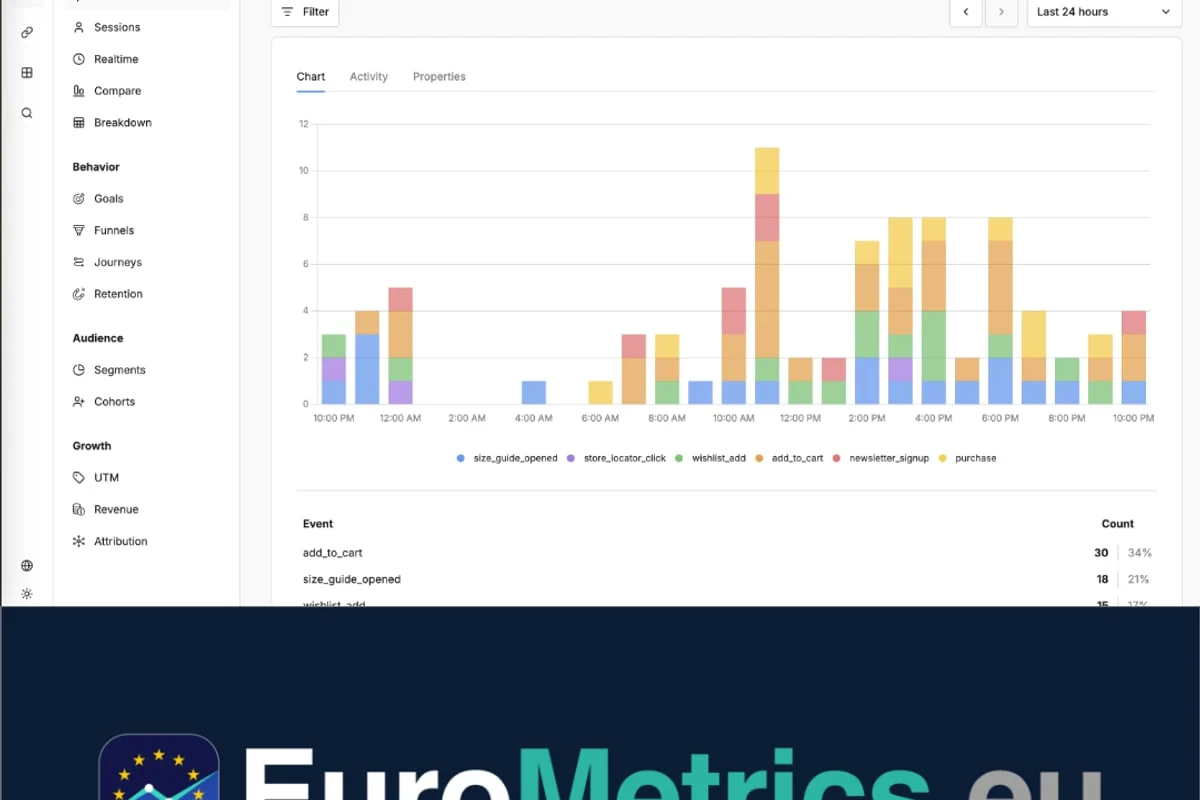
Understanding web traffic for website optimisation demands real-time visibility into visitor activity. Immediate insights enable rapid response to traffic surges, technical issues, or emerging trends.
Real-time dashboards should surface:
- Current active visitors and their geographic distribution
- Popular pages and content receiving attention
- Traffic source breakdown showing live acquisition channels
- Device and browser statistics for technical optimisation
- Performance metrics highlighting potential issues
For European businesses seeking privacy-respecting analytics, platforms like EuroMetrics provide full traffic tracking with 100% EU hosting and cookieless methodology. This approach eliminates cookie consent banner requirements whilst maintaining complete visibility into traffic patterns and user behaviour.

Distinguishing Quality Traffic from Low-Value Visits
Not all web traffic for website metrics carries equal value. Sophisticated traffic analysis separates engaged visitors from casual browsers and filters automated bot activity that skews reporting.
Engagement Metrics That Reveal Traffic Quality
Traditional metrics like page views and session counts provide limited insight into visitor value. Deeper engagement indicators offer clearer pictures of traffic quality:
- Scroll depth showing how far visitors read content
- Time on page adjusted for active engagement versus abandoned tabs
- Pages per session indicating interest breadth
- Return visitor rates demonstrating sustained interest
- Goal completions tracking desired actions
The Bot Traffic Challenge
Research from WP Engine’s traffic trends report highlights the increasing prevalence of bot-heavy traffic affecting website performance and analytics accuracy. Distinguishing legitimate traffic from automated visits requires sophisticated filtering.
Common bot traffic indicators:
- Superhuman page load speeds and navigation patterns
- Unusual geographic clustering
- Suspicious user agent strings
- Repetitive behaviour patterns
- Absence of typical human interaction signals
Quality analytics platforms implement bot detection algorithms that filter non-human traffic before it distorts your metrics. This filtering ensures marketing decisions rest on genuine user behaviour rather than automated activity.
Optimising Traffic Sources for Sustainable Growth
Understanding current web traffic for website performance provides the foundation for strategic improvements. Converting traffic insights into growth requires systematic optimisation across all acquisition channels.
Content Strategy Informed by Traffic Patterns
Traffic data reveals which topics, formats, and approaches resonate with your audience. Analyse top-performing content to identify:
- Topic clusters that attract qualified visitors
- Content formats generating strongest engagement
- Seasonal patterns in traffic and interest
- Geographic preferences showing regional content opportunities
- Device usage trends informing technical priorities
This intelligence guides content creation efforts toward proven winners whilst revealing gaps in your current coverage. Rather than guessing which topics matter, let traffic data illuminate the path forward.
Technical Performance and Traffic Retention
Page speed and technical performance directly impact both traffic acquisition and retention. Search engines factor performance into rankings, whilst slow-loading pages drive visitors away before content loads.
Performance Factor | Impact on Traffic | Optimisation Priority |
|---|---|---|
First Contentful Paint | Initial engagement | Critical |
Largest Contentful Paint | Perceived speed | High |
Cumulative Layout Shift | User experience | High |
Time to Interactive | Engagement quality | Medium |
Total Blocking Time | Conversion rates | Medium |
Regular performance testing using tools like the EU-hosted speed test ensures your site meets modern expectations for speed and responsiveness. European servers provide particularly relevant insights for businesses serving European audiences.
Geographic Traffic Analysis for Market Expansion
Web traffic for website strategy should account for geographic distribution patterns. Understanding where visitors originate reveals market penetration and expansion opportunities.
Traffic clustering in specific regions may indicate:
- Strong brand awareness in particular markets
- Content resonating with regional audiences
- Partnership or referral effects in certain areas
- Untapped markets showing initial interest
- Localisation opportunities for high-traffic regions
For businesses serving multiple European markets, traffic analysis by country informs localisation priorities and marketing investment allocation. The multilingual analytics documentation provides guidance on implementing geographic tracking whilst respecting regional privacy requirements.
Privacy-Focused Traffic Attribution in 2026
Attributing web traffic for website conversions to specific marketing activities has become more challenging as privacy protections limit cross-domain tracking. European businesses require attribution models that respect user privacy whilst maintaining marketing accountability.
First-Party Data Strategies
Building attribution on first-party data collected directly from your properties provides privacy-respecting insights into customer journeys. This approach relies on:
- UTM parameters in campaign URLs tracking specific initiatives
- Referrer data showing immediate traffic sources
- Session-based journeys revealing paths through your site
- Server-side analytics capturing events without client-side tracking
- Aggregated reporting identifying patterns across user cohorts
The campaign URL builder helps create properly tagged links that maintain attribution through privacy-focused tracking systems.
Multi-Touch Attribution Without Invasive Tracking
Traditional multi-touch attribution relied on persistent cookies tracking users across sessions and devices. Privacy-focused alternatives aggregate journey patterns without individual-level tracking.
Modern approaches include:
- Statistical modelling inferring likely paths from aggregate data
- Session reconstruction building probable journeys from server logs
- Cohort analysis examining group behaviours rather than individuals
- Channel contribution analysis measuring incremental value of each source
- Time-decay models weighting recent touchpoints appropriately
These methodologies provide actionable attribution insights whilst aligning with European privacy expectations and regulatory frameworks.
Traffic Monitoring for Security and Reliability
Beyond marketing insights, web traffic for website monitoring serves essential security and operational functions. Unusual traffic patterns often signal technical issues or security threats requiring immediate attention.
Detecting Anomalous Traffic Patterns
Sophisticated monitoring identifies deviations from normal traffic baselines that indicate problems:
- Sudden traffic spikes potentially indicating DDoS attacks or viral content
- Geographic anomalies suggesting bot networks or security breaches
- Referral spam polluting analytics with fake traffic sources
- Crawl rate changes showing search engine indexing issues
- Error rate increases revealing technical problems affecting users
Implementing uptime monitoring alongside traffic analytics provides full operational visibility. Combined monitoring catches both complete outages and performance degradation affecting user experience.
Traffic Validation and Data Quality
Ensuring analytics data accuracy requires systematic validation against external benchmarks and internal consistency checks. Common data quality issues include:
Traffic measurement challenges:
- Bot filtering inconsistencies across reporting periods
- JavaScript loading failures preventing tracking
- Ad blocker interference with analytics scripts
- Server-side tracking configuration errors
- Timezone discrepancies in reporting
Regular audits comparing multiple data sources help identify and correct measurement issues before they undermine strategic decisions. Cross-referencing server logs with analytics platforms reveals discrepancies requiring investigation.
Competitive Traffic Intelligence and Benchmarking
Understanding web traffic for website performance in isolation provides limited context. Comparing your traffic metrics against competitors and industry benchmarks reveals relative strengths and improvement opportunities.
Industry-Specific Traffic Patterns
Different sectors exhibit distinct traffic characteristics based on purchase cycles, research behaviours, and decision processes. B2B websites typically show:
- Longer research cycles with multiple sessions before conversion
- Higher weekday traffic with reduced weekend activity
- Concentrated traffic from business hours in target markets
- Greater focus on informational content before commercial pages
- Lower overall traffic volume but higher per-visitor value
Consumer-focused sites demonstrate different patterns with evening and weekend peaks, shorter decision cycles, and higher overall traffic volumes at lower per-visitor values.
Competitive Gap Analysis
Analysing competitors’ traffic sources and content performance identifies strategic opportunities:
Analysis Area | Insight Gained | Strategic Application |
|---|---|---|
Traffic sources | Channel effectiveness | Marketing budget allocation |
Top content | Successful topics | Content strategy refinement |
Geographic reach | Market penetration | Expansion prioritisation |
Seasonal patterns | Demand cycles | Resource planning |
Technical performance | User experience gaps | Technical roadmap |
Third-party competitive intelligence tools provide estimates of competitor traffic, though privacy protections limit precision. Focus on identifying broad patterns and significant gaps rather than exact figures.
Converting Traffic Insights into Business Outcomes
Measuring web traffic for website analytics delivers value only when insights drive meaningful business improvements. Systematic processes for translating data into action separate successful organisations from those drowning in unused metrics.
Data-Driven Decision Frameworks
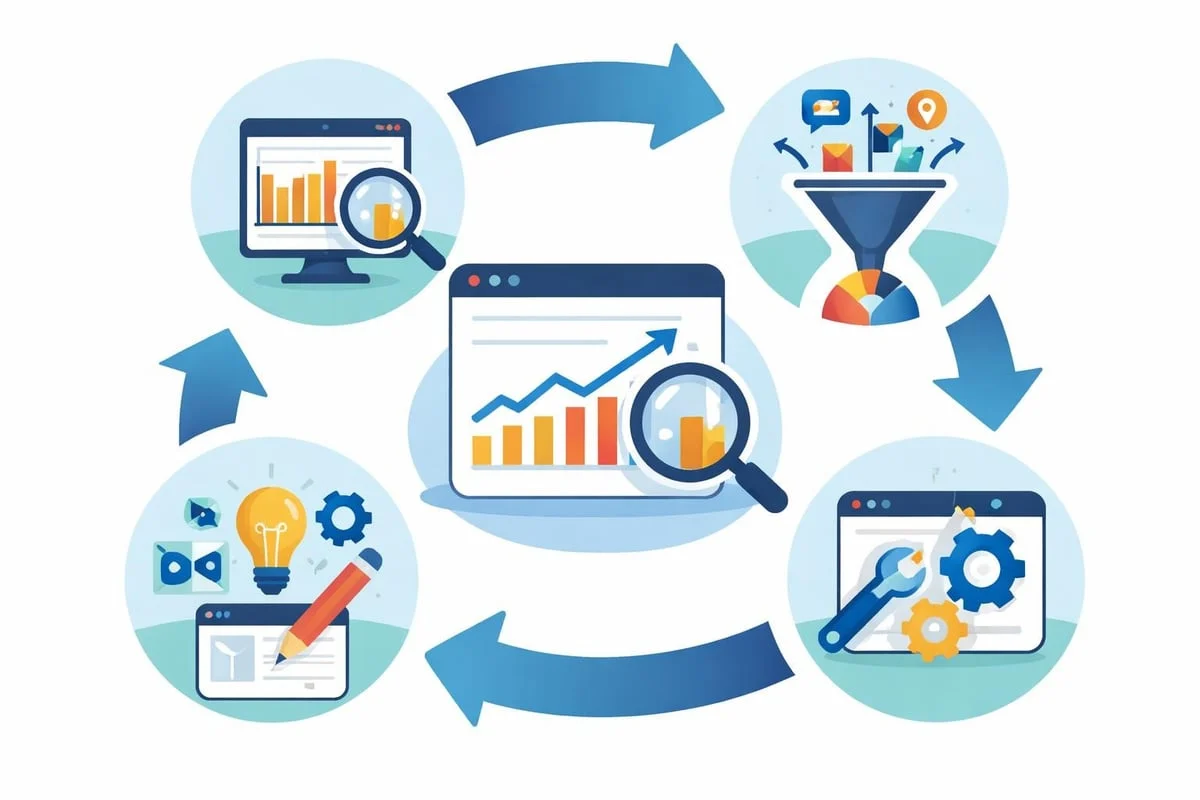
Effective traffic analysis follows structured frameworks that connect measurements to business objectives:
- Define success metrics aligned with business goals
- Establish baseline performance across key indicators
- Identify improvement opportunities from traffic analysis
- Prioritise initiatives by expected impact and resource requirements
- Implement changes with proper tracking for results measurement
- Analyse outcomes comparing actual results to predictions
- Refine approaches based on performance data
This iterative process ensures continuous improvement driven by empirical evidence rather than assumptions or guesswork.
Cross-Functional Traffic Intelligence
Web traffic for website insights inform decisions across multiple business functions beyond marketing:
Product development learns which features attract traffic and engagement, guiding roadmap priorities and resource allocation.
Sales teams identify high-intent visitors and understand prospect research patterns, enabling more effective outreach and qualification.
Customer success monitors knowledge base traffic and support content effectiveness, proactively addressing common issues.
Executive leadership tracks overall traffic trends and conversion metrics as key business health indicators.
Democratising access to traffic intelligence whilst maintaining appropriate context helps organisations become genuinely data-driven. According to best practices for traffic analysis, continuous assessment and cross-team collaboration maximise the value extracted from traffic monitoring efforts.
Frequently Asked Questions
What counts as good web traffic for website performance?
Good traffic quality depends on business objectives rather than absolute numbers. Focus on visitors who engage meaningfully, whether through content consumption, account creation, purchase, or other goal completions. A site with 1,000 highly engaged monthly visitors may outperform one with 100,000 casual browsers. Track engagement depth, conversion rates, and return visitor percentages alongside total traffic volume.
How can I measure web traffic without using cookies?
Modern cookieless analytics platforms employ server-side tracking and privacy-preserving methodologies that capture essential metrics without persistent browser cookies. These approaches track sessions rather than individuals, providing accurate traffic source attribution, page performance data, and user journey insights whilst respecting privacy. The elimination of cookies also removes the requirement for intrusive consent banners that interrupt user experience.
Why does my traffic data show different numbers in different tools?
Traffic measurement discrepancies arise from various factors including bot filtering approaches, JavaScript loading timing, ad blocker interference, and fundamental methodology differences between platforms. Server-side analytics typically record higher traffic than client-side JavaScript tracking because they capture visits even when scripts fail to load. Establish one primary analytics platform as your source of truth whilst using secondary tools for validation and supplementary insights.
How much traffic should a new website expect in 2026?
New website traffic builds gradually from zero as search engines discover and index content, backlinks accumulate, and brand awareness develops. Typical new sites might see 50-200 monthly visitors in the first three months, growing to several thousand by month twelve with consistent content creation and promotion. Industry competitiveness, content quality, and marketing investment significantly impact growth trajectories. Current website traffic statistics show substantial variation across sectors and business models.
What traffic sources provide the best conversion rates?
Email and direct traffic typically convert at the highest rates because these visitors demonstrate existing brand familiarity and intent. Organic search traffic converts well for commercial keywords but less effectively for informational queries. Social media traffic shows highly variable conversion depending on platform and content type. Paid advertising conversion rates depend entirely on targeting precision and landing page optimization. Analyse your specific traffic sources to identify which channels deliver qualified visitors for your particular business model.
How often should I review web traffic analytics?
Review frequency depends on traffic volume and business dynamics. High-traffic sites benefit from daily monitoring to catch issues quickly, whilst smaller sites might review weekly or monthly. Establish regular reporting rhythms (weekly operational reviews, monthly strategic analysis, quarterly deep dives) that balance actionable timeliness with meaningful data accumulation. Set up automated alerts for significant traffic changes or technical issues requiring immediate attention regardless of review schedule.
Measuring and understanding web traffic for website success requires privacy-respecting tools that deliver actionable insights without compromising user trust or regulatory compliance. European businesses navigating evolving privacy requirements need analytics solutions designed specifically for regional expectations and legal frameworks. EuroMetrics provides full traffic tracking with 100% EU hosting, cookieless methodology, and real-time dashboards that surface the metrics that matter most. Start measuring your traffic properly with analytics built for European digital sovereignty and privacy-first principles.