
Understanding traffic visitors is fundamental to any successful online strategy. Every person who lands on your website represents a potential customer, subscriber, or brand advocate, yet many businesses struggle to extract meaningful insights from their visitor data. The ability to analyse who visits your site, how they behave, and what drives them to convert transforms raw numbers into actionable intelligence that shapes marketing decisions, content strategy, and product development.
What Are Traffic Visitors and Why Do They Matter
Traffic visitors represent individuals who access your website through various channels and engage with your content. Each visitor leaves behind behavioural signals that reveal their interests, intent, and journey through your digital presence.
The significance of traffic visitors extends beyond simple headcounts. Every visitor interaction generates data points that help you understand audience preferences, identify content gaps, and optimize conversion pathways. When you analyse traffic visitors effectively, you gain insights into which marketing campaigns deliver results, which pages engage your audience, and where potential customers drop off in the conversion funnel.
The Components of Traffic Visitor Analysis
Analyzing traffic visitors requires examining multiple dimensions simultaneously:
- Source attribution: Understanding where visitors originate (search engines, social media, direct traffic, referrals)
- Behavioural patterns: Monitoring page views, session duration, bounce rates, and navigation paths
- Device and technology: Tracking desktop versus mobile usage, browser preferences, and screen resolutions
- Geographic distribution: Identifying visitor locations and tailoring content accordingly
- Temporal patterns: Recognizing peak traffic times and seasonal trends
Research shows that understanding visitor behavior beyond surface-level metrics directly impacts website performance and conversion optimization.

Categorizing Different Types of Traffic Visitors
Not all traffic visitors share the same characteristics or intentions. Segmenting your audience enables targeted strategies that address specific visitor needs.
New Versus Returning Visitors
New visitors represent fresh opportunities for brand awareness and first impressions. They typically require educational content, clear value propositions, and intuitive navigation. Returning visitors, conversely, demonstrate existing interest and often exhibit higher conversion rates. They seek deeper content, product updates, or specific information they’ve encountered previously.
Tracking the ratio between new and returning visitors helps gauge brand loyalty and content stickiness. A healthy balance varies by industry, but sustained growth requires both acquiring new traffic visitors and retaining existing ones.
Intent-Based Visitor Segments
Machine learning models have revolutionized how we identify visitor intents, enabling businesses to categorize traffic visitors by their underlying motivations:
Visitor Intent | Characteristics | Optimal Strategy |
|---|---|---|
Informational | Research-focused, consuming content | Provide in-depth guides, comparisons, tutorials |
Navigational | Seeking specific pages or features | Optimize site search, improve information architecture |
Transactional | Ready to purchase or convert | Streamline checkout, highlight CTAs, reduce friction |
Commercial Investigation | Comparing options before deciding | Offer case studies, testimonials, detailed specifications |
Understanding these intent categories allows you to deliver relevant content that matches visitor expectations, improving engagement and conversion rates.
Measuring Traffic Visitor Behaviour Effectively
Effective measurement requires focusing on metrics that reveal genuine visitor engagement rather than vanity statistics.
Essential Metrics for Traffic Visitor Analysis
Beyond simple visitor counts, these metrics provide actionable insights:
- Pages per session: Indicates content engagement and site exploration
- Average session duration: Reveals how long visitors find your content compelling
- Bounce rate: Shows percentage of single-page sessions, highlighting potential content or UX issues
- Conversion rate: Measures how effectively traffic visitors complete desired actions
- Exit pages: Identifies where visitors leave your site, spotlighting improvement opportunities
Tools for website traffic analysis have evolved significantly, offering sophisticated capabilities that transform raw data into strategic insights. Modern platforms track visitor behaviour without compromising privacy, particularly important for European businesses navigating data protection regulations.
Real-Time Monitoring and Historical Analysis
Real-time tracking enables immediate response to traffic spikes, campaign launches, or technical issues. When you monitor traffic visitors as they engage with your site, you can identify emerging trends and capitalize on opportunities instantly. Real-time analytics features provide visibility into current visitor activity, geographic distribution, and active page engagement.
Historical analysis complements real-time monitoring by revealing patterns over weeks, months, or years. Seasonal fluctuations, campaign effectiveness, and long-term growth trends emerge from longitudinal data examination.

Identifying Traffic Visitor Sources
Understanding where traffic visitors originate informs channel optimization and budget allocation decisions.
Organic Search Traffic
Visitors arriving through search engines typically demonstrate high intent, having actively queried terms related to your content. These traffic visitors often convert at superior rates compared to other sources because they’ve self-selected based on relevance.
Optimizing for organic traffic requires thorough SEO strategies, including keyword research, content quality, technical optimization, and backlink development. Monitoring which search queries drive traffic visitors reveals content opportunities and keyword priorities.
Direct and Referral Traffic
Direct traffic comprises visitors who type your URL directly or access saved bookmarks, indicating strong brand awareness. Referral traffic arrives via links on external websites, reflecting partnership value and content distribution success.
Analyzing referral sources identifies valuable partnerships and potential collaboration opportunities. High-quality referral traffic often demonstrates strong engagement because visitors arrive with implicit endorsement from trusted sources.
Social Media and Paid Advertising
Social platforms drive traffic visitors with varying engagement characteristics. Some social channels generate high volume but shallow engagement, whilst others deliver smaller, highly targeted audiences. Understanding these differences prevents misattribution of channel value.
Paid advertising delivers controlled traffic visitor acquisition, enabling precise targeting and budget management. Campaign performance tracking through URL parameters ensures accurate attribution and ROI calculation.
Privacy-Conscious Traffic Visitor Tracking
European businesses face unique considerations when tracking traffic visitors. Data protection principles mandate transparency, minimal data collection, and user control over personal information.
Traditional analytics platforms often rely on cookies that require consent banners, creating friction in the visitor experience. Modern approaches utilize cookieless tracking methods that respect privacy whilst delivering detailed insights.
For businesses operating within the EU, choosing analytics platforms that align with regional data protection principles prevents legal complications whilst maintaining visitor trust. Solutions hosted exclusively on European infrastructure ensure data sovereignty and eliminate concerns about international data transfers.
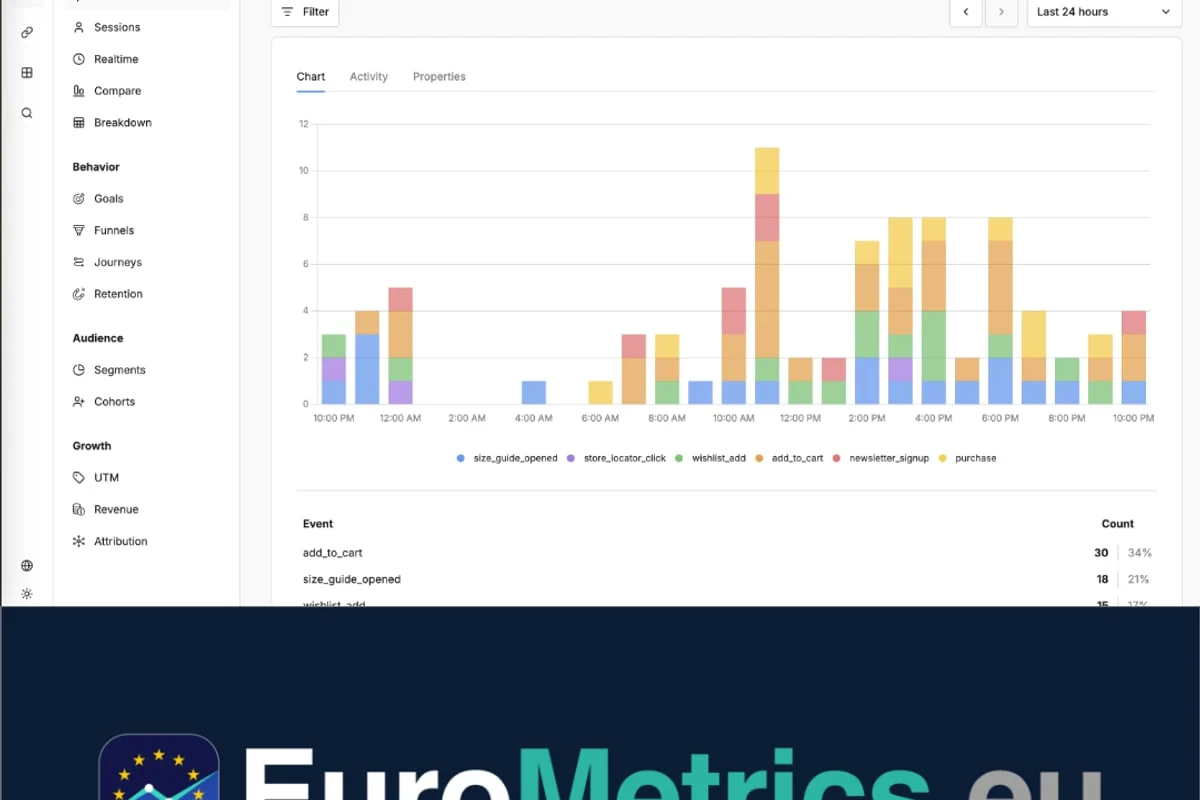
EuroMetrics offers a cookieless web analytics platform specifically designed for European businesses, providing complete traffic visitor tracking without consent banner requirements. Built with data protection principles at its foundation and hosted entirely within EU data centers, it delivers real-time insights whilst maintaining 100% EU data residency.
Optimizing for Different Traffic Visitor Segments
Once you understand your traffic visitors, optimization becomes targeted rather than generic.
Content Personalization Strategies
Delivering relevant content to specific visitor segments improves engagement and conversion rates. New visitors benefit from introductory content and value propositions, whilst returning visitors appreciate advanced resources and exclusive offers.
Geographic personalization addresses regional preferences, language variations, and cultural nuances. European traffic visitors might prioritize privacy assurances and local payment options, whilst other markets emphasize different value points.
Technical Performance Optimization
Site speed directly impacts traffic visitor satisfaction and conversion rates. Slow-loading pages increase bounce rates and diminish search engine rankings. Regular speed testing identifies performance bottlenecks that frustrate visitors and reduce engagement.
Mobile optimization has transitioned from optional enhancement to fundamental requirement, as mobile traffic visitors frequently represent the majority segment across industries.

Advanced Traffic Visitor Analysis Techniques
Sophisticated analysis techniques reveal deeper insights beyond surface-level metrics.
Cohort Analysis and Visitor Segmentation
Cohort analysis groups traffic visitors by shared characteristics or acquisition timeframes, enabling comparative performance evaluation. You might compare visitors acquired during different campaigns or from various geographic regions to identify patterns and optimize targeting.
Behavioral segmentation categorizes visitors based on actions rather than demographics, revealing intent signals that predict conversion likelihood. Visitors who view pricing pages, download resources, or spend extended time on product pages demonstrate higher purchase intent.
User Journey Mapping
Tracking how traffic visitors navigate your site reveals common pathways, unexpected routes, and optimization opportunities. Journey maps highlight content that successfully guides visitors toward conversion and pages that create confusion or friction.
Best practices for website traffic analysis emphasize iterative refinement, cross-departmental collaboration, and data quality maintenance to extract maximum value from visitor insights.
Attribution Modeling
Attribution determines which touchpoints deserve credit for conversions when traffic visitors interact with multiple channels before converting. Different models (first-touch, last-touch, linear, time-decay) offer varying perspectives on channel effectiveness.
Understanding attribution prevents misallocating marketing budgets to channels receiving last-click credit whilst undervaluing awareness-building touchpoints that initiate customer journeys.
Common Challenges in Traffic Visitor Analysis
Even sophisticated analytics implementations encounter obstacles that obscure accurate visitor understanding.
Data Quality and Accuracy Issues
Bot traffic inflates visitor counts without representing genuine engagement opportunities. Filtering non-human traffic ensures metrics reflect actual human behavior. Internal team visits, development testing, and automated scrapers all corrupt data accuracy when not properly excluded.
Technical implementation errors, such as duplicate tracking codes or missing page tags, create incomplete or distorted visitor data. Regular audits verify tracking accuracy and completeness across all site sections.
Interpretation and Actionability Gaps
Collecting data differs fundamentally from extracting actionable insights. Many organizations accumulate extensive visitor data without translating observations into strategic decisions. Simplifying website statistics helps bridge the gap between data collection and meaningful action.
Establishing clear goals before analysis prevents aimless metric exploration. Define what success looks like for your traffic visitors, then select metrics that measure progress toward those objectives.
Implementing Continuous Improvement Based on Traffic Visitors
Analytics without action generates no value. Systematic testing and refinement transform visitor insights into performance gains.
A/B Testing and Experimentation
Testing variations in content, design, or functionality reveals which approaches resonate with traffic visitors. Rather than relying on assumptions, experimentation provides empirical evidence about visitor preferences.
Effective testing requires adequate sample sizes, statistical significance, and isolated variables to produce reliable results. Testing too many elements simultaneously obscures which changes drive observed differences.
Monitoring and Response Protocols
Continuous monitoring detects anomalies that require immediate attention. Traffic spikes might indicate successful campaigns or technical issues driving bot traffic. Sudden drops could reflect search engine penalties, competitor actions, or site accessibility problems.
Establishing baseline metrics for normal performance enables rapid anomaly detection. When traffic visitors deviate significantly from expected patterns, investigation determines whether response is required.
Benchmarking Traffic Visitor Performance
Comparative analysis provides context for evaluating your traffic visitor metrics against industry standards and competitor performance.
Industry Standards and Realistic Expectations
Average bounce rates, session durations, and conversion rates vary dramatically across industries. E-commerce sites expect different engagement patterns than content publishers or B2B service providers. Understanding sector-specific benchmarks prevents misguided optimization efforts targeting unrealistic goals.
Competitive analysis reveals where your traffic visitor metrics lead or lag market peers, highlighting strengths to build on and weaknesses requiring attention. Traffic source distribution, content engagement, and conversion pathways offer comparative insights when competitor data is available.
Setting and Tracking KPIs
Key Performance Indicators translate business objectives into measurable traffic visitor metrics. Rather than monitoring every available data point, focus on indicators that directly correlate with business success.
Business Goal | Relevant Traffic Visitor KPIs |
|---|---|
Brand Awareness | New visitors, traffic volume, geographic reach |
Engagement | Pages per session, time on site, return visit rate |
Lead Generation | Form completions, download rates, email signups |
Revenue Growth | Transaction value, conversion rate, revenue per visitor |
Regular KPI review ensures metrics remain aligned with evolving business priorities and market conditions.
Ensuring Reliable Traffic Visitor Data Collection
Accurate insights depend on reliable data collection infrastructure that maintains availability and performance.
Uptime and Accessibility Monitoring
When your website experiences downtime, traffic visitors encounter errors instead of content, damaging brand perception and losing potential conversions. Uptime monitoring from multiple geographic locations provides early warning of accessibility issues before they impact significant visitor populations.
European businesses particularly benefit from monitoring conducted from EU locations, ensuring detection accuracy for their primary audience geography.
Analytics Implementation Verification
Proper analytics implementation requires technical precision. Tracking codes must load correctly across all pages, events must fire accurately, and filters must exclude unwanted traffic. The cookie scanner tool helps verify what tracking elements your site implements and whether they align with privacy commitments.
Regular audits catch implementation drift that occurs as sites evolve through redesigns, platform migrations, or content management system updates.
Frequently Asked Questions
What is the difference between traffic visitors and unique visitors?
Traffic visitors represents the total count of all visits to your website, including repeat visits from the same individuals. Unique visitors counts each person only once within a specified timeframe, regardless of how many times they visit. A single unique visitor might generate multiple traffic visitor sessions if they return several times during the measurement period.
How many traffic visitors do I need for meaningful analytics?
Meaningful analytics depends more on data quality and consistency than absolute volume. Even modest traffic of several hundred visitors monthly enables trend identification and basic optimization. However, statistical significance for A/B testing typically requires thousands of visitors per variation. Focus on establishing reliable tracking first, then scale analysis sophistication as traffic grows.
Can I track traffic visitors without using cookies?
Yes, modern cookieless tracking methods identify visitors through technical signals that don’t require storing data on user devices. These approaches respect privacy whilst providing full analytics, including session tracking, traffic source attribution, and behaviour analysis. Cookieless solutions eliminate consent banner requirements whilst delivering the insights businesses need.
How do I identify which traffic visitors are most valuable?
Value varies by business model and objectives. E-commerce sites might measure visitor value through transaction amounts and lifetime purchases. Content publishers might prioritize engagement metrics like page depth and return visits. Service providers often value lead quality and conversion rates. Define your conversion goals, then analyze which visitor segments, sources, and behaviours correlate with highest conversion rates and customer lifetime value.
What causes sudden changes in traffic visitor patterns?
Sudden traffic fluctuations stem from numerous factors including search engine algorithm updates, viral content distribution, competitor actions, seasonal variations, technical issues, or marketing campaign launches. Investigating unexpected changes requires examining traffic sources, landing pages, geographic distribution, and temporal patterns to identify root causes. Some variations reflect positive opportunities whilst others indicate problems requiring immediate response.
How often should I review traffic visitor analytics?
Review frequency depends on traffic volume and business dynamics. High-traffic sites benefit from daily monitoring to catch issues quickly and capitalize on emerging trends. Smaller sites might review weekly or monthly, focusing on longer-term patterns rather than daily fluctuations. Establish regular review schedules whilst maintaining flexibility to investigate anomalies whenever they occur. Automated reports can highlight significant changes that warrant immediate attention between scheduled reviews.
Understanding your traffic visitors transforms website analytics from passive observation into active optimization. By measuring the right metrics, segmenting audiences effectively, and translating insights into concrete improvements, you create digital experiences that resonate with visitor needs whilst advancing business objectives. European businesses navigating data protection requirements need analytics solutions that respect privacy without sacrificing insight quality. EuroMetrics delivers detailed visitor traffic analytics through a cookieless platform hosted entirely within EU data centers, providing the visibility you need with the sovereignty your business demands.